






















Table of Contents
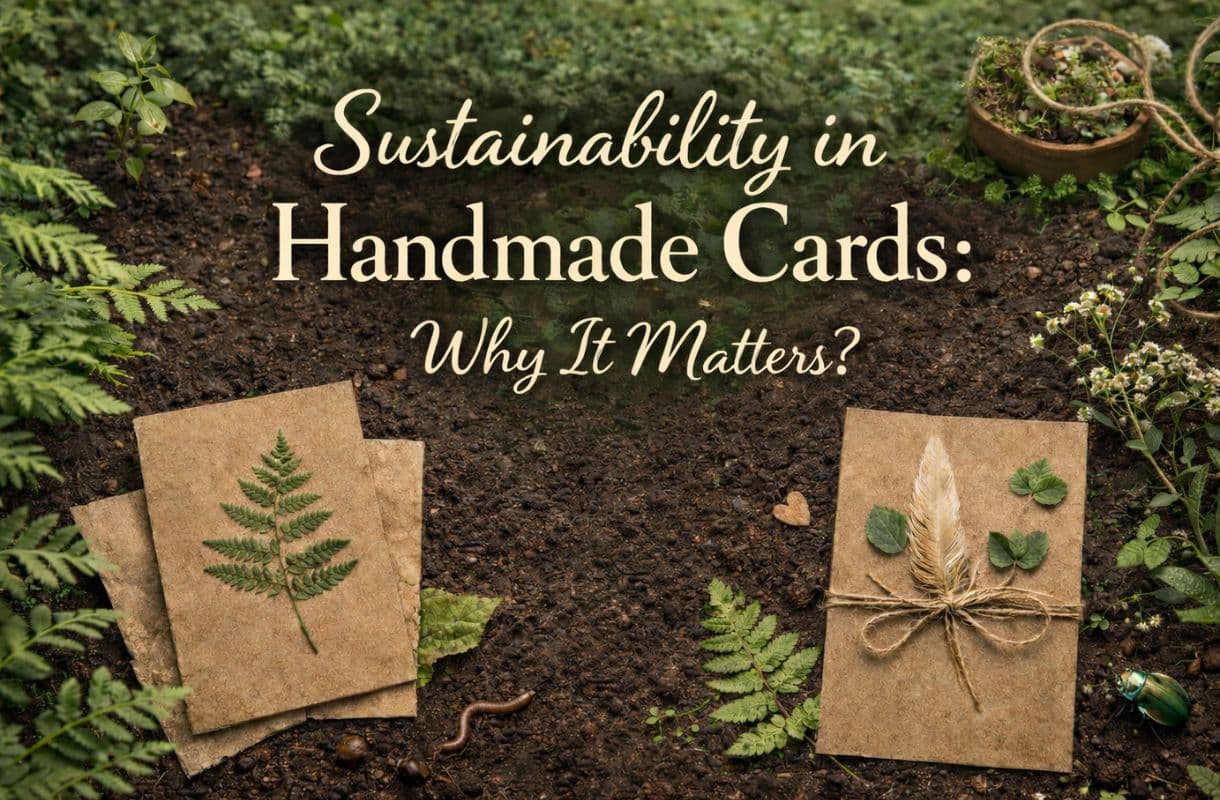
Understanding sustainability in handmade cards goes beyond trends or buzzwords. It reflects choices about materials, production methods, packaging, and environmental impact. By selecting recycled or responsibly sourced paper, avoiding plastics, and crafting cards in small batches, makers reduce waste and carbon footprint, creating meaningful pieces that are better for both people and the planet.
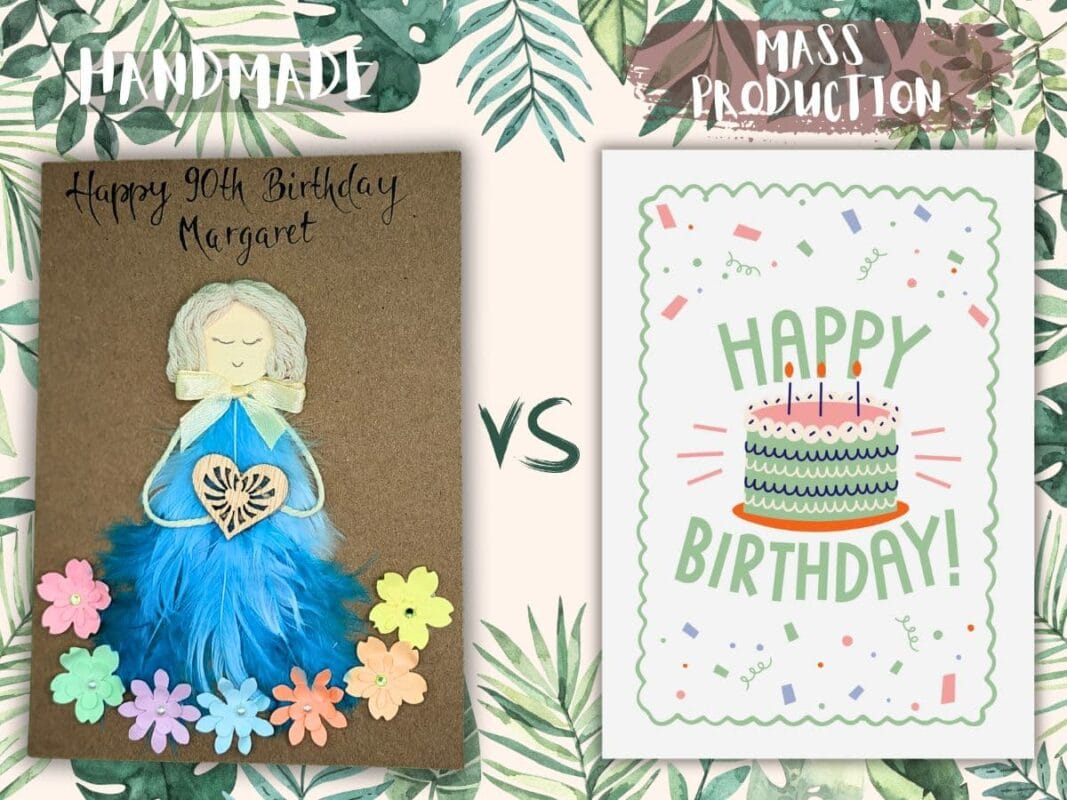
Unlike mass-produced cards, nothing here is automated. Each card is designed, written, and finished individually, with subtle variations that give it character and uniqueness. Organisations such as the Crafts Council UK and WRAP (Waste and Resources Action Programme) highlight the importance of responsible materials, creative labour, and slow production — all of which contribute to sustainable practices.
This difference becomes particularly clear when comparing handmade vs store-bought cards, where eco-consciousness often sets handmade greeting cards apart.
👉 For more on how handmade compares to commercial alternatives, see our pillar guide on handmade vs store-bought cards.
Why Sustainability Matters in Handmade Cards
Sustainability in handmade greeting cards is about reducing environmental impact while creating something that lasts. Makers focus on:
🌱 Recycled or FSC-certified paper
🎨 Plant-based or vegetable inks
🌿 Natural fibres and biodegradable embellishments
🛠️ Small-batch production to reduce waste
Choosing handmade greeting cards crafted with these principles supports slower production methods, reduces overstock and unnecessary energy use, and provides an eco-conscious gifting experience.
How Materials Impact Sustainability
The materials chosen for a card strongly influence its environmental footprint.
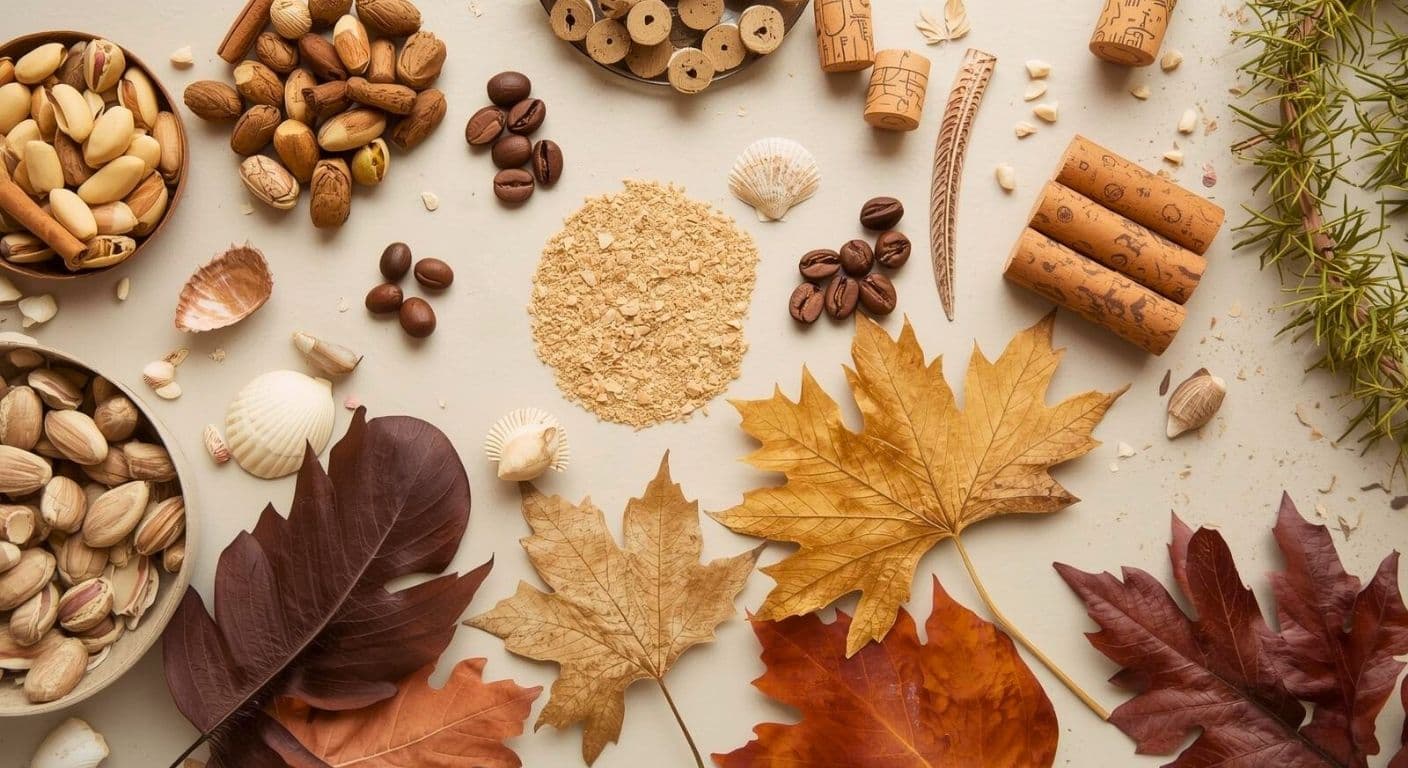
🌱 Cards made with recycled paper, cotton, or linen fibres reduce reliance on virgin wood pulp.
🎨 Plant-based inks replace petroleum-based or chemical alternatives.
🌿 Biodegradable embellishments ensure decorations break down naturally, avoiding landfill waste.
High-street cards often use glossy coatings, lamination, or mixed synthetic materials, making them difficult to recycle. Choosing handmade greeting cards created with intention ensures that each piece is both beautiful and eco-conscious.
Small-Batch Production and Sustainability
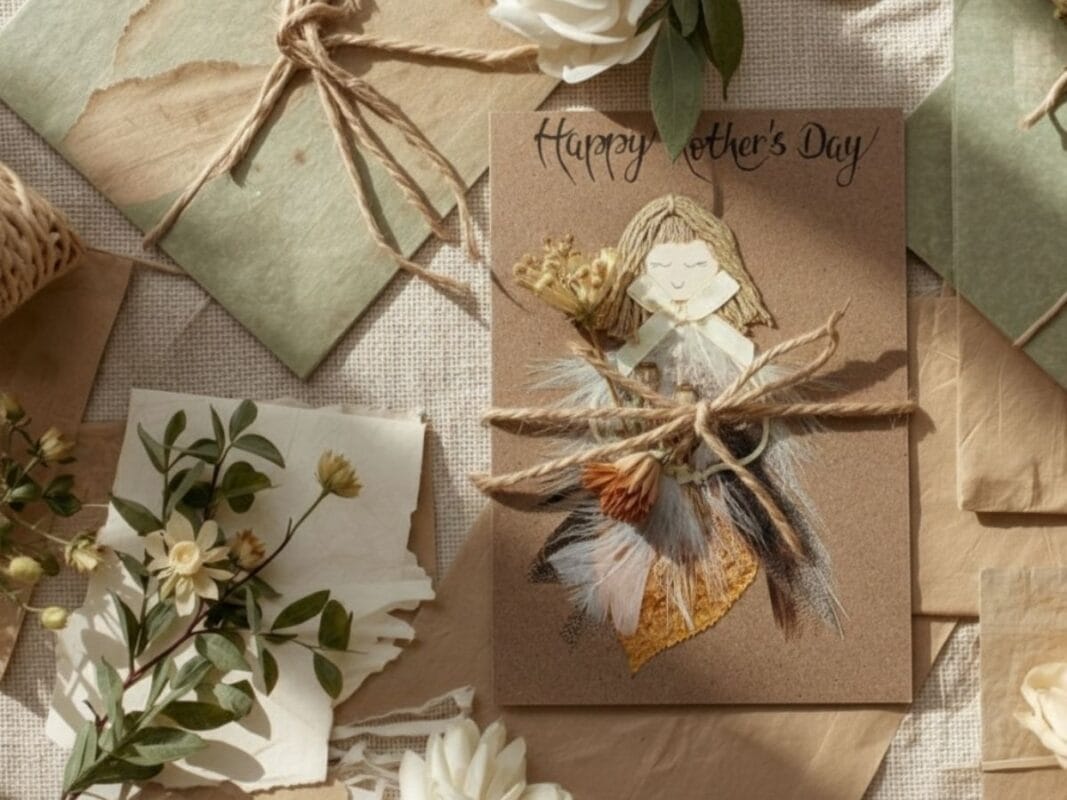
“Slow production” is a core principle of sustainability. Handwrought cards are produced in small quantities, which:
🌱 Reduces overproduction and waste
🎨 Lowers energy consumption
🌿 Encourages careful material selection
🛠️ Allows each card to be crafted with attention and care
This philosophy aligns with WRAP recommendations, helping to minimise ecological impact while maintaining the artisanal quality of each card.
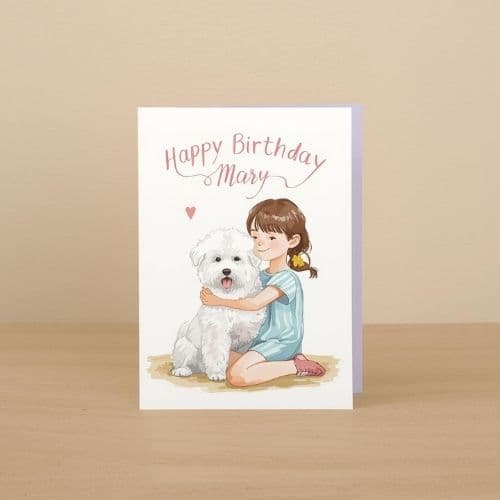
Sustainable Handmade Greeting Cards vs Mass-Produced Cards
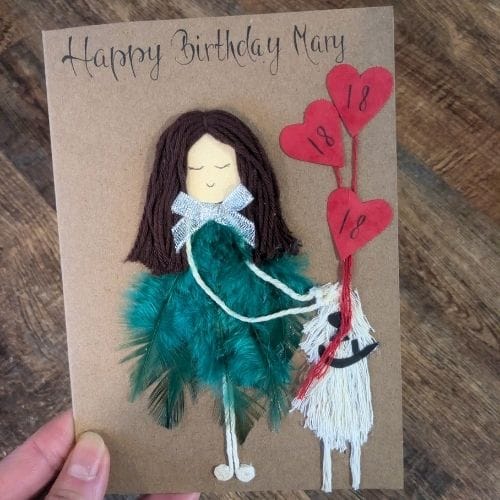
While luxury high-street cards may look elegant, sustainable handcrafted cards combine craftsmanship with environmental responsibility:
🌱 Use eco-friendly materials
🎨 Produced in small batches
🌿 Reduce packaging waste
Mass-produced alternatives:
- Often contain plastics or non-recyclable materials
- Require long supply chains with higher carbon footprints
- Contribute to overproduction and waste
For meaningful, eco-conscious gifting, sustainable handmade greeting cards offer both emotional value and environmental responsibility.
FAQs – Green Practices in Card Making
Are handmade cards more sustainable than store-bought cards?
Yes. Handmade cards often use recycled or responsibly sourced materials, avoid plastic, and are produced in small batches, making them more sustainable than mass-produced options.
What materials make a handmade card eco-friendly?
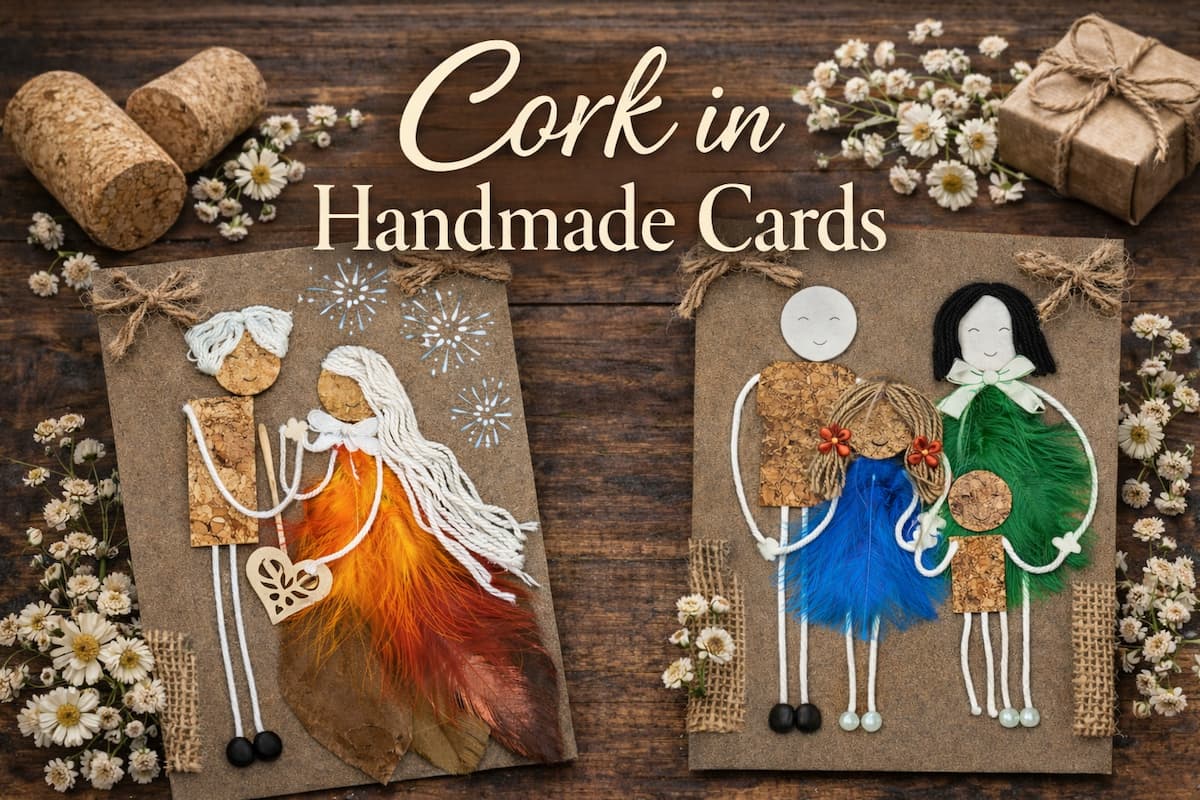
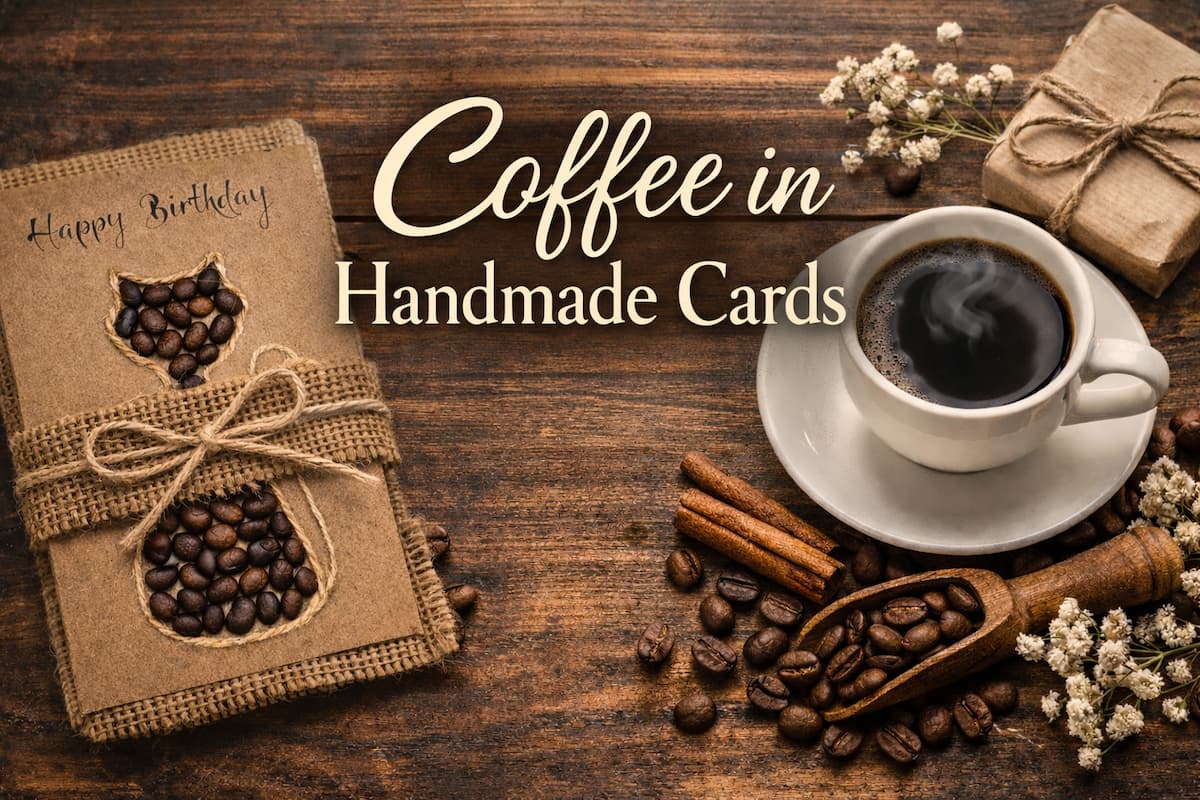
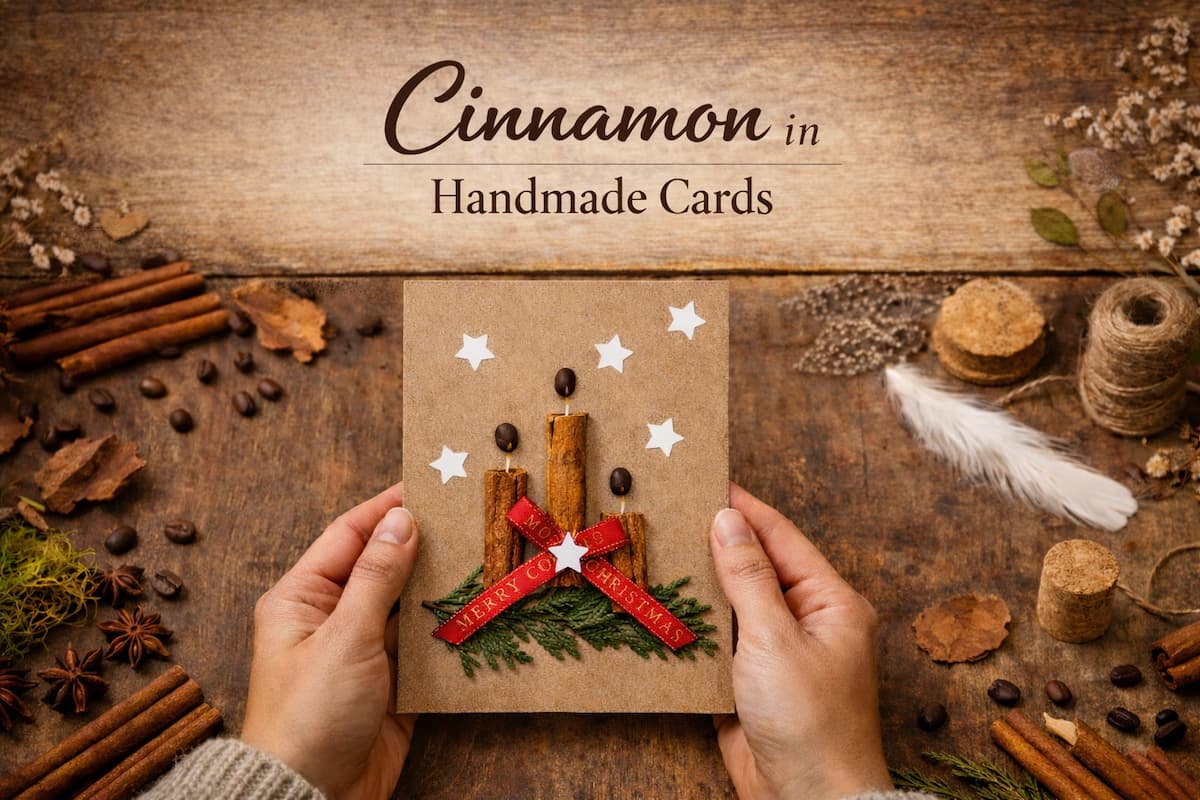
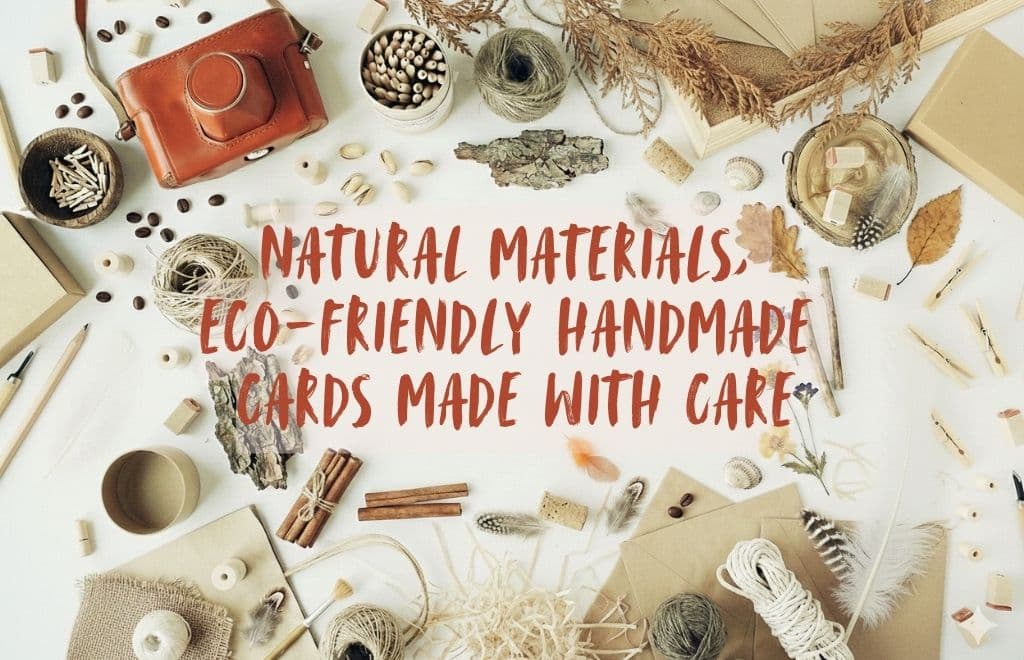
Eco-friendly cards are crafted using renewable, biodegradable, and plastic-free materials. At Heart in Creation, we use 300 gsm recycled kraft cardstock paired with unique, upcycled elements such as pistachio shells, cinnamon sticks, and coffee beans. By choosing natural fibres such as jute and wool instead of synthetic ribbons or plastic glitter, we ensure our cards remain biodegradable and significantly reduce environmental waste.
Does making cards in small quantities actually help?
Absolutely. Small-batch production significantly reduces environmental impact by eliminating the massive waste generated by unsold retail surpluses. Unlike mass-market manufacturers that print thousands of units in high-energy factories, artisan studios like Heart in Creation produce cards in limited quantities or on demand, ensuring every piece of recycled material is used with purpose. This “slow” model conserves energy, minimises the carbon footprint of long-distance shipping, and enables a zero-waste approach, repurposing offcuts rather than discarding them, turning a disposable item into a lasting keepsake.
Where is the best place to buy eco-conscious cards online?
The best options are independent creators who prioritise quality and craftsmanship. UK-based Heart in Creation offers a wide selection of luxury handmade greeting cards and personalised designs created with care and earth-friendly materials

Related posts
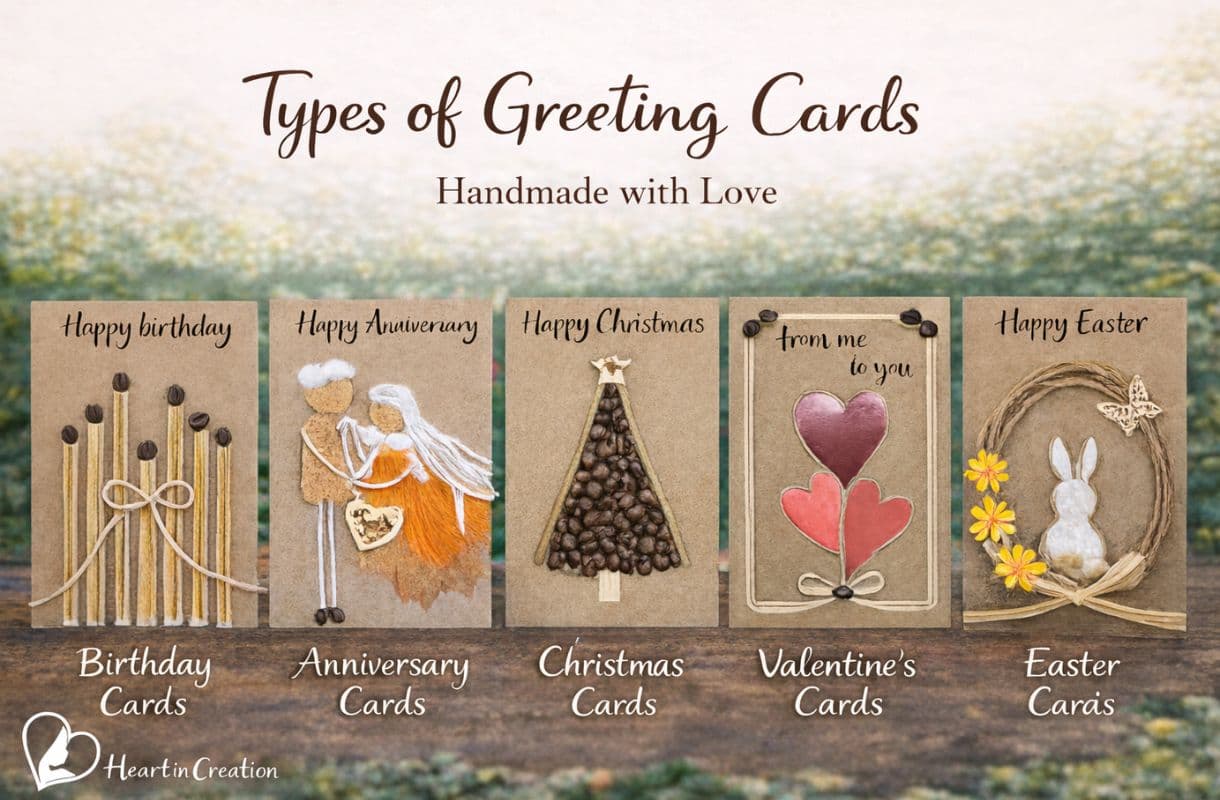
28 Types of Greeting Cards – Handmade Ways to Mark Life’s Moments

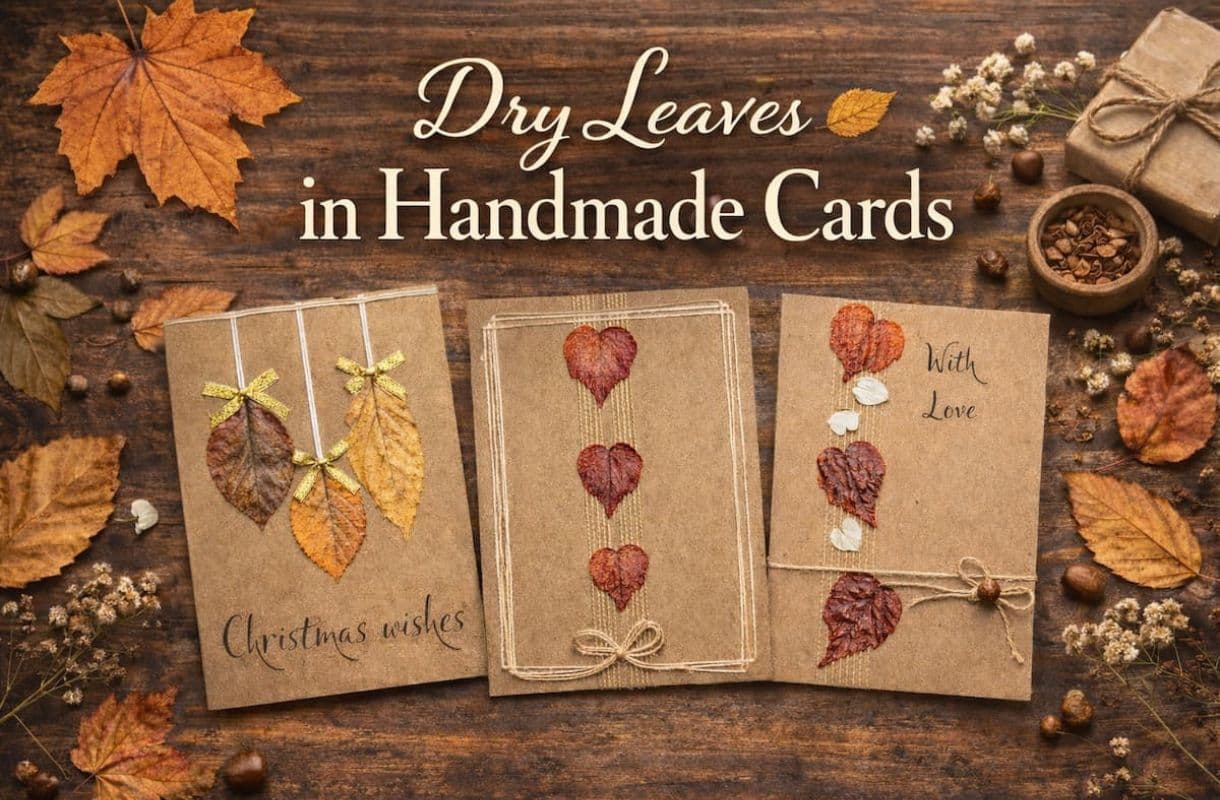
Dry Leaves in Handmade Cards – 5 Ways Adds Nature Beauty
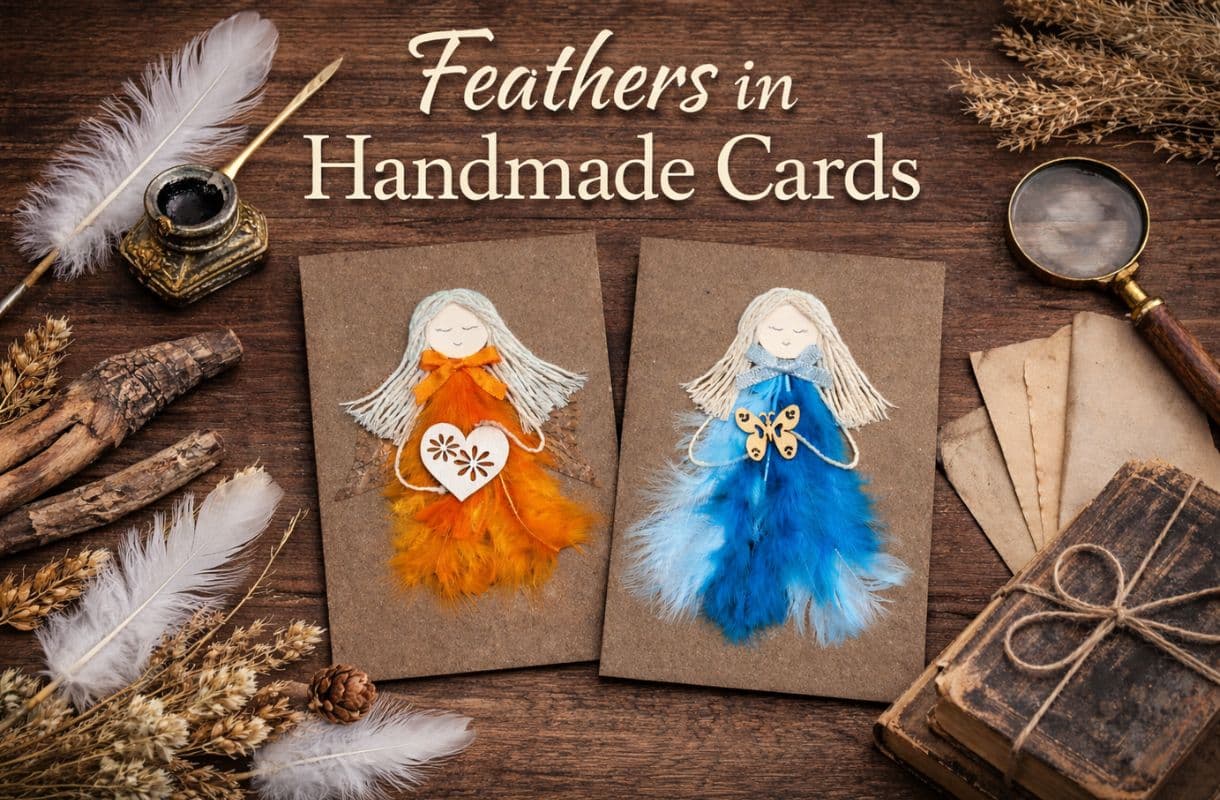
Feathers in Handmade Cards – 5 Natural Design Benefits
Gifting Psychology: Why Handmade Cards Feel More Meaningful
What Goes Into the Cost of a Handmade Card?
Defining Luxury Handmade Card Materials – The Art of the Elements
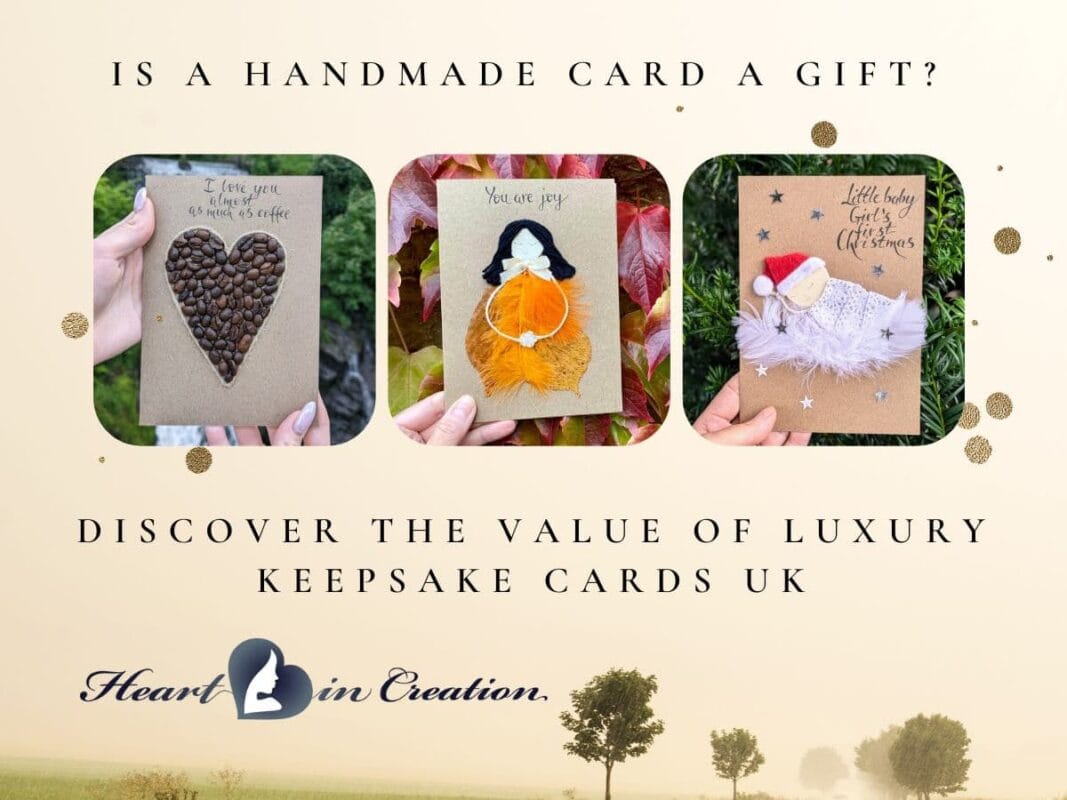
Is a Handmade Card a Gift? Discover the Value of Luxury Keepsake Cards UK
Recent reviews
-
 Personalised Funny Christmas Card for Family - For Mum, Dad or Sister
by Andrew Davis
Personalised Funny Christmas Card for Family - For Mum, Dad or Sister
by Andrew Davis
-
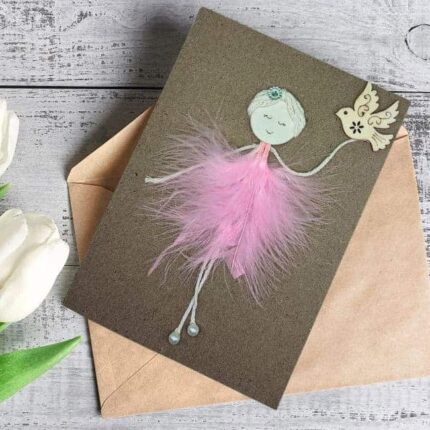 Handmade Ballerina Birthday Card for Wife - Pink Sky Dancers Delight
by Andrew Davis
Handmade Ballerina Birthday Card for Wife - Pink Sky Dancers Delight
by Andrew Davis
-
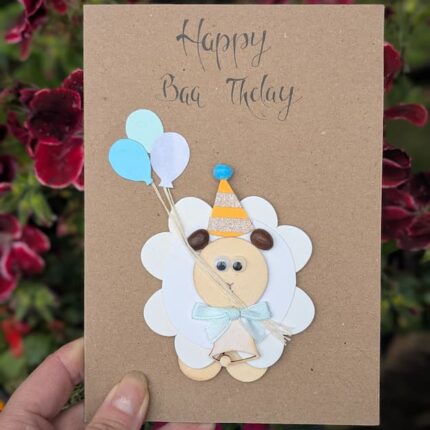 Cute Handmade Sheep Birthday Card - Happy 'Baa-thday' to You
by Molly D
Cute Handmade Sheep Birthday Card - Happy 'Baa-thday' to You
by Molly D
-
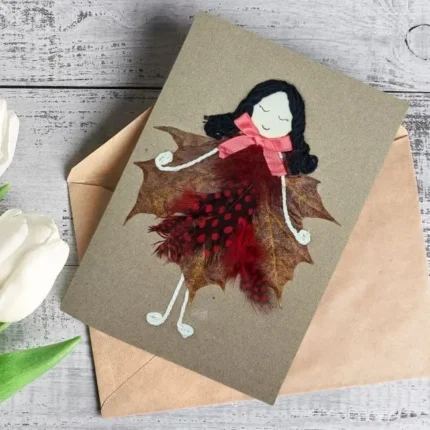 Luxury Birthday Card for Her - A Symphony of Nature
by Molly Dakin
Luxury Birthday Card for Her - A Symphony of Nature
by Molly Dakin